News
Farmland bird populations both in Ireland and across Europe are at their lowest levels since records began, new figures from BirdWatch Ireland and BirdLife Europe reveal.
The Pan-European Common Bird Monitoring Scheme has compiled population figures for 145 common and widespread bird species in 25 European countries between 1980 and 2009. Amongst those species covered, farmland birds are the most threatened group, with 20 out of 36 species in decline, and overall numbers at an all-time low, down by 48% since 1980.
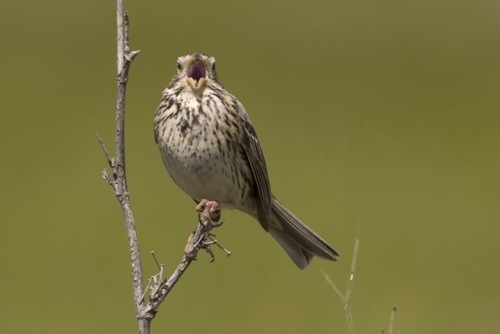
Some of the species that have declined the most over the last three decades across Europe include familiar farmland birds like Grey Partridge (–82%), Skylark (–46%), Linnet (–62%) and Corn Bunting (–66%).
Ian Burfield, European Science and Data Manager for BirdLife Europe, said: “These shocking new figures confirm that farmland birds have halved in number across Europe since 1980. While the rate of decline may have slowed in recent years, it’s clear that attempts to halt the loss have been insufficient, and that massive efforts are needed to reverse the trend.”
In Ireland the situation is no better, with many farmland bird populations continuing to decline. The Countryside Bird Survey (data from which feeds into the European scheme) annually monitors the population levels of our common birds throughout the country on an annual basis. The most recent data recorded the lowest ever levels for Yellowhammer in 2009, while iconic farmland birds such as Skylark and Kestrel have shown significant, long-term declines since the survey started in 1998.
Yellowhammer (Photo: John Fox)
Yellowhammer: now at its lowest ever levels in Ireland
(Photo: John Fox)
Conservationists say the results prove the need for urgent reform of the Common Agricultural Policy (CAP) so that it rewards and encourages farmers who put conservation measures in place on their land. Proposals for the upcoming reform of the CAP are set to be published in October. BirdWatch Ireland, and other organisations in BirdLife European partnership, are concerned that they do not go far enough, fearing that the proposals do not contain enough support for agri-environment schemes which fund wildlife-friendly farming measures.
Alex Copland, Senior Conservation Officer with BirdWatch Ireland, said: "The CAP offers the best opportunity to ensure the economic, social and environmental sustainability of rural Ireland into the next decade. Farmland birds are indicators of the health of ecosystems in our wider countryside. Maintaining the health of these systems supports not just birds and biodiversity, but the soils where we grow crops or graze livestock, the water we drink and even the air we breathe.
"We need to ensure that the taxpayers’ money that funds the CAP delivers the maximum benefit for farming and rural communities in Ireland, enhances our rural landscapes and protects our environment. At the moment, this policy is failing. However, we know what the problems are and we have identified a lot of the solutions already. Now we need the decision-makers to take up their responsibility and deliver a real green reform."
Recent EU Budget announcements have made it clear that decision makers plan to allocate less money to Pillar 2 which contains very valuable environmental payments. A recent leaked CAP document has also revealed that they plan to allow Member States to move money away from agri-environment schemes and into other areas.
Alan Lauder, Chief Executive with BirdWatch Ireland, added "The results of the European bird population survey suggest that after missing its 2010 biodiversity conservation target, the EU will go on to miss the 2020 biodiversity conservation target unless decisive and urgent action is taken."
The new EU Biodiversity Strategy commits the EU to "halt the deterioration in the status of all species and habitats covered by EU nature legislation”. Although Member States endorsed the new strategy in June this year, they have yet to agree on commitments to deliver the actions needed to achieve its aims.